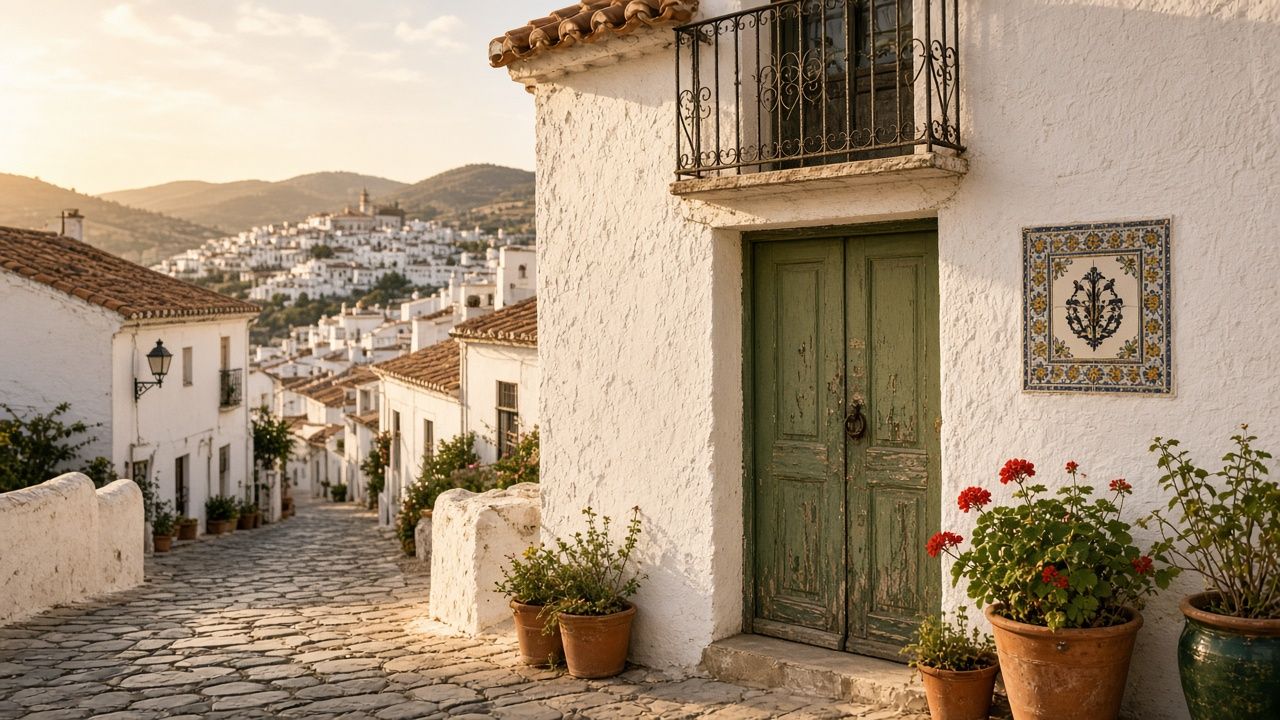
A notebook for buying in Spain
Buying a home in Spain, one paper at a time
A plain-English notebook for buying a home in Spain, from first viewing to the notary's signature.
- NIE your foreigner's tax number
- Nota simple the registry snapshot
- Escritura the deed signed at the notary
What this notebook is
The questions people ask before they sign anything
Buying property in Spain mixes familiar steps with unfamiliar words: a tax number before you can buy, a deposit contract with its own rules, a notary who reads the deed aloud, a registry that makes ownership official. This notebook explains each stage in order, in English, so the Spanish paperwork stops feeling like a wall.
It is a reading guide, not an agency. There are no listings here, nothing for sale and nobody to hire. Every purchase is different, so the pages point out where an independent lawyer, the notary or your bank should have the final word.
- 17
- autonomous regions, each setting its own transfer-tax rate
- 1
- signature that matters most: the deed before a notary
- 0
- listings, agents or sales on this site
The order of things
Seven steps from first viewing to the keys
Most resale purchases follow the same rhythm. New builds and mortgages add a few steps, but the spine stays the same.
-
1
NIE
Get your tax number
Foreign buyers need a Número de Identidad de Extranjero before the deed can be signed. It can take weeks, so it usually comes first.
-
2
Banco
Open an account and set a budget
A Spanish bank account makes paying taxes and bills simpler. Budget for purchase costs on top of the price, often around ten to fifteen per cent.
-
3
Visita
View, compare and make an offer
Asking prices are often a starting point. Write down what is included: furniture, parking space, storage room.
-
4
Nota simple
Check the property
A short extract from the Land Registry shows the owner, the description and any charges such as a mortgage. Compare it with the cadastral record and the community of owners.
-
5
Arras
Sign the deposit contract
A private contract, commonly with a ten per cent deposit. In the usual form, a buyer who walks away loses it and a seller who walks away pays it back twice over.
-
6
Notaría
Sign the deed
Buyer and seller, or their representatives, sign the escritura before a notary, who checks identities and reads the deed. The balance is paid and the keys change hands.
-
7
Registro
Register and settle in
Taxes are paid and the deed is filed with the Land Registry. Then come utilities, the community fees and the yearly local property tax.
Beyond the asking price
What a purchase usually costs on top
The price on the listing is never the whole bill. These are the lines most buyers meet. Rates are set nationally or by each region and they change, so treat the figures as orientation only.
See Costs & Taxes| Line | Applies to | Rough guide |
|---|---|---|
| Transfer tax (ITP) | Resale homes | Regional rate, commonly 6–10% of the price |
| VAT (IVA) | New builds from a developer | 10% for homes |
| Stamp duty (AJD) | New builds from a developer | Regional rate, often 0.5–1.5% |
| Notary and Land Registry | Every purchase | Fixed scales, usually a few hundred to a couple of thousand euros |
| Independent lawyer | Optional, widely used | Often quoted around 1% plus VAT |
| Mortgage valuation | If you borrow | Paid by the borrower, usually a few hundred euros |
Where people look
Six corners of Spain, six different markets
A flat in central Madrid and a farmhouse in Mallorca share a legal process and very little else. Climate, prices, rules on holiday lets and even the transfer tax change from region to region.
-
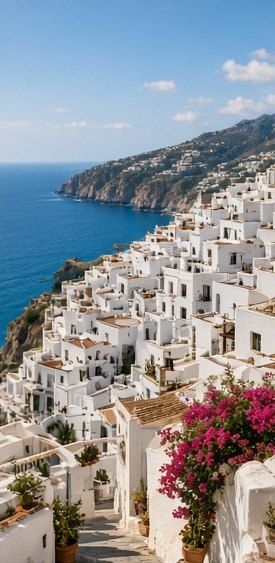
Andalusia
White villages and the Costa del Sol. Popular, varied, and with a regional transfer tax that is lower than many.
-

Valencia and the Costa Blanca
Orange groves, long beaches and a large community of foreign residents.
-
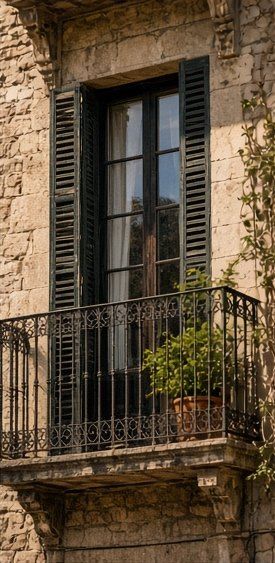
Catalonia
Old-quarter flats in Barcelona and Girona, and strict rules on tourist lets.
-
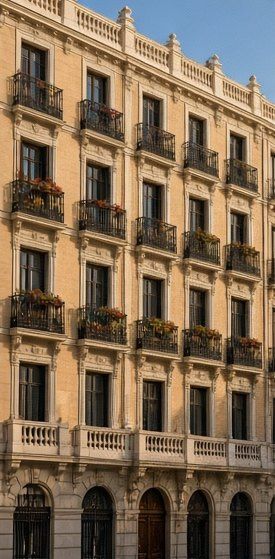
Madrid
Classic apartment blocks with iron balconies, and one of the lowest standard transfer-tax rates in Spain.
-
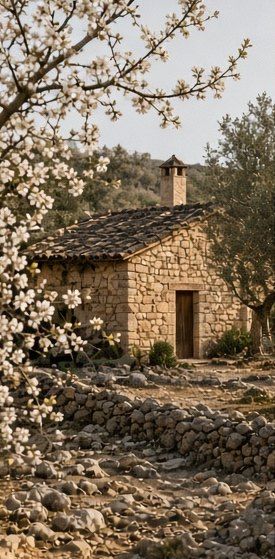
Balearic Islands
Stone farmhouses among almond trees, and some of the highest prices in the country.
-
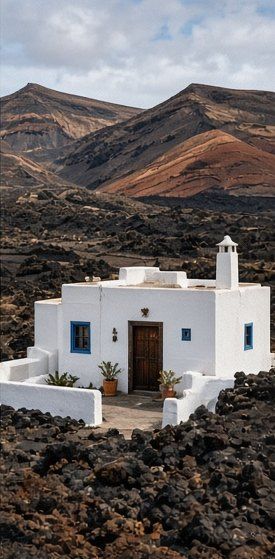
Canary Islands
Year-round sun, volcanic landscapes and their own indirect tax, the IGIC, in place of VAT.
Words on the paperwork
Eight Spanish words worth knowing before you sign
- NIE
- Foreigner's identification and tax number, needed to buy.
- Nota simple
- Land Registry extract: owner, description and charges.
- Catastro
- The cadastral record of the property, with its reference number and taxable value.
- Arras
- Deposit contract signed before the deed.
- Escritura
- The public deed of sale, signed before a notary.
- Notario
- A public official who authorises the deed. Not the buyer's lawyer.
- IBI
- The yearly local property tax, paid to the town hall.
- Comunidad
- The community of owners in a building, with its own fees and rules.
Asked often
Short answers to common questions
General answers only. Your own purchase may differ, and the rules change.
Can a foreigner buy property in Spain?
Yes. Non-residents and residents of any nationality can buy. You will need an NIE, and in practice a Spanish bank account makes the process much simpler. A few areas near military zones have extra permission rules.
Do I need a lawyer as well as a notary?
It is not compulsory, but many buyers hire an independent lawyer. The notary authorises the deed and checks some legal points, but does not act for you, negotiate or investigate the property in depth.
Does buying a home still give residency?
No. Spain closed its property-linked "golden visa" route in April 2025. Buying a home today does not, by itself, give a right to live in Spain.
How long does a purchase take?
A straightforward cash resale can complete within a couple of months of the deposit contract. Mortgages, NIE delays, inheritance issues or missing licences can stretch it.
Who pays the plusvalía tax?
The municipal tax on the increase in land value is normally owed by the seller. Check the contract, because the parties sometimes agree otherwise.
Can I rent the home to holidaymakers?
It depends on the region, the town and the building. Many places now require a tourist-rental licence and some have stopped issuing them. Check before you buy, not after.
Open the shutters slowly
Read the steps, price the extras, then ask the questions that matter for your own purchase.
Start with the buying steps