Guide 3
Regions & Towns
Spain has one legal process for buying a home and seventeen autonomous regions that shape almost everything else: transfer tax, holiday-let rules, climate and price. This guide sketches the areas people most often ask about.
Andalusia
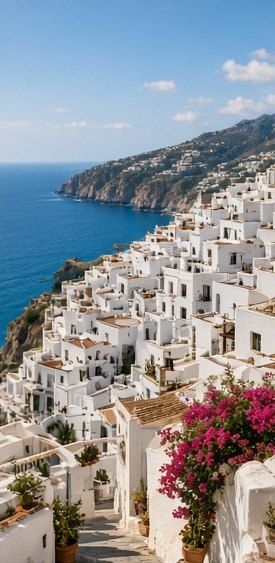
White hill villages, the Costa del Sol around Málaga and Marbella, and cities such as Seville and Granada. Andalusia cut its standard transfer-tax rate to a single flat rate in 2021, which keeps it lower than many regions. Rural homes need careful checks on what was legally built.
Valencia and the Costa Blanca
Valencia city, Alicante and the long coast in between, with orange groves inland and a large community of foreign residents. Prices range widely between the beach towns and the villages a short drive away.
Catalonia
Barcelona, Girona and the Costa Brava. Old-quarter flats are popular and often need renovation. Catalonia applies some of the strictest rules on tourist-rental licences, so do not assume a flat can be let to holidaymakers.
Madrid
Classic apartment buildings with iron balconies, newer developments on the edge of the city and commuter towns in the region. Madrid’s standard transfer tax is one of the lowest in Spain.
Balearic Islands
Mallorca, Menorca, Ibiza and Formentera, with stone farmhouses (fincas), coastal towns and some of the highest prices in the country. Rural building and rental rules are strict and vary by island.
Canary Islands
Year-round mild weather and volcanic landscapes. The islands use their own indirect tax, the IGIC, instead of VAT on new homes, and have their own rules on holiday lets.
Choosing a town
- Visit in winter as well as summer. Some coastal towns are very quiet out of season.
- Check travel times to an airport, a hospital and a supermarket.
- Ask the town hall about planned building, and check the planning status of land around a rural home.
- If letting matters to you, check the regional and local rules before you choose the area.